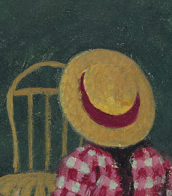
united states 2nd car
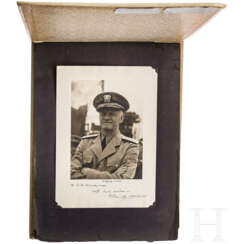







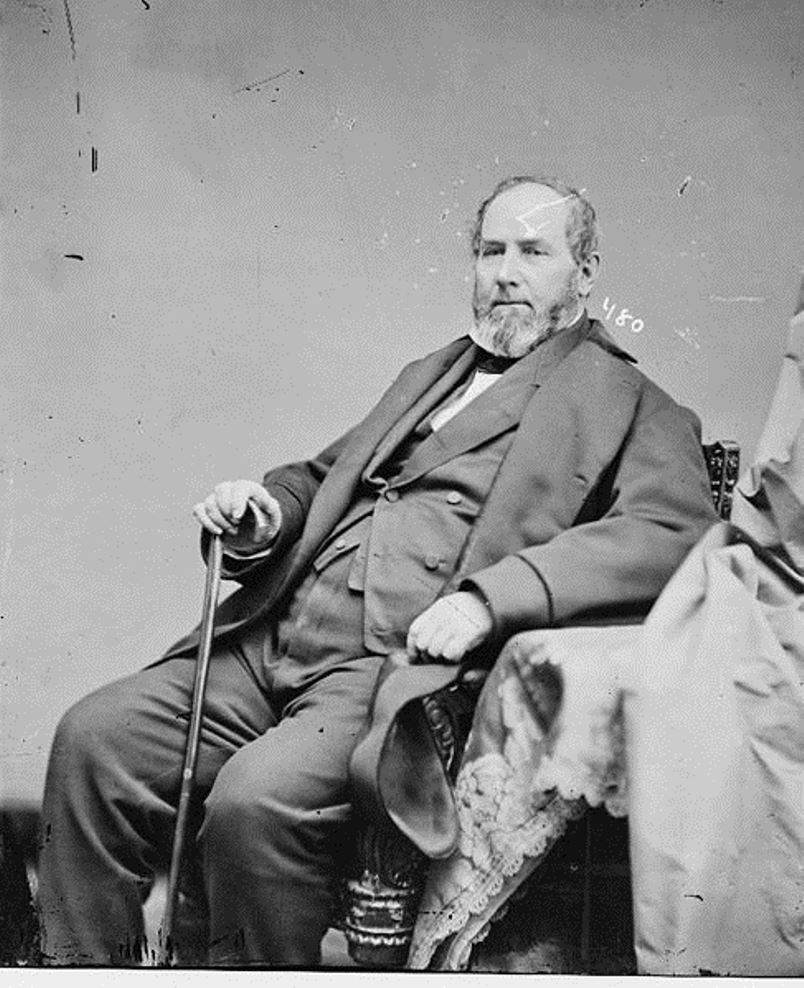




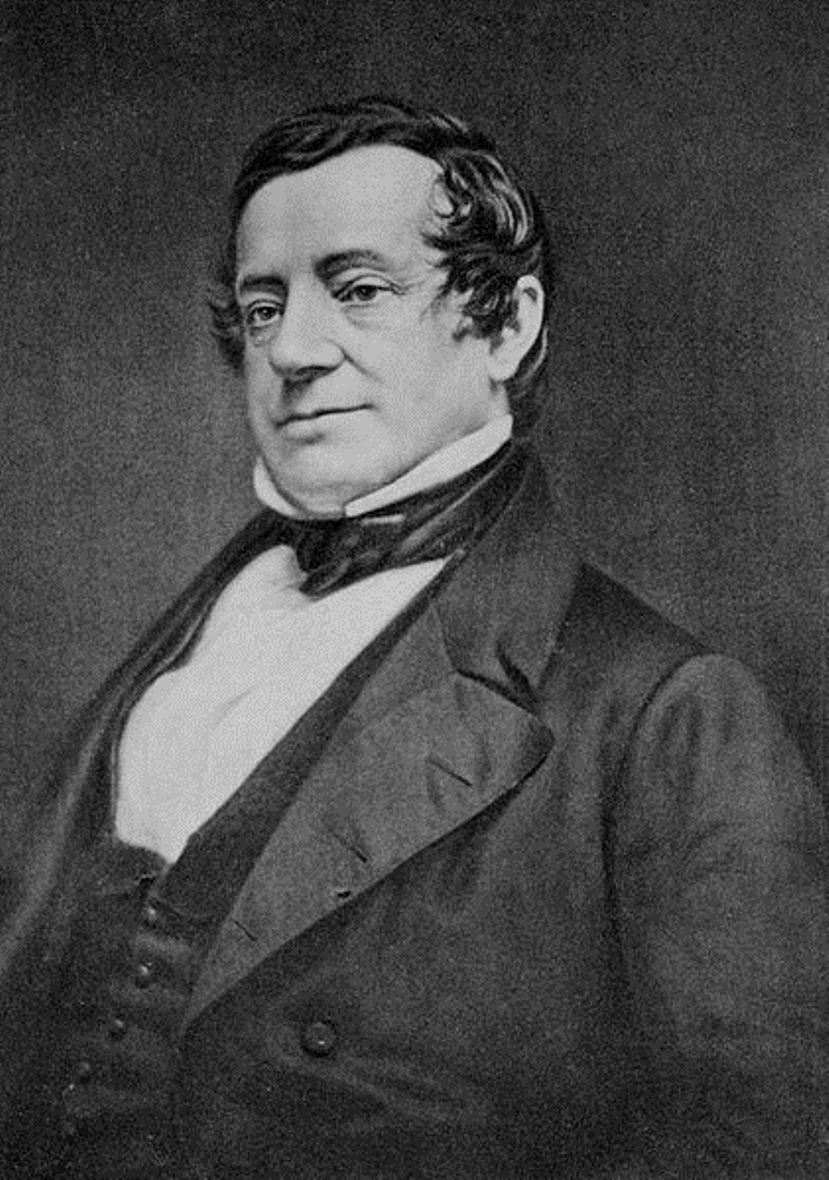
Washington Irving was an American Romantic writer, historian, and diplomat.
Irving has been called "the first American writer" to be recognized in Europe. In 1815, he traveled to England on family business. A huge success in England and the United States was The Sketch Book, published in several installments during 1819-1820, which contained two of the author's most famous works, Rip Van Winkle and The Legend of Sleepy Hollow, and which made him a literary star in both England and the United States.
He continued his literary endeavors and worked at the U.S. Embassy of Great Britain. Returning to the United States in 1832, Irving visited some little-known territories near the western fringes of the country, and this journey inspired his works Journey on the Prairie (1835), Astoria (1836), and The Adventures of Captain Bonneville (1837). Late in life he published several historical and biographical works, including the five-volume Life of George Washington (1855-1859).
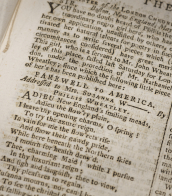


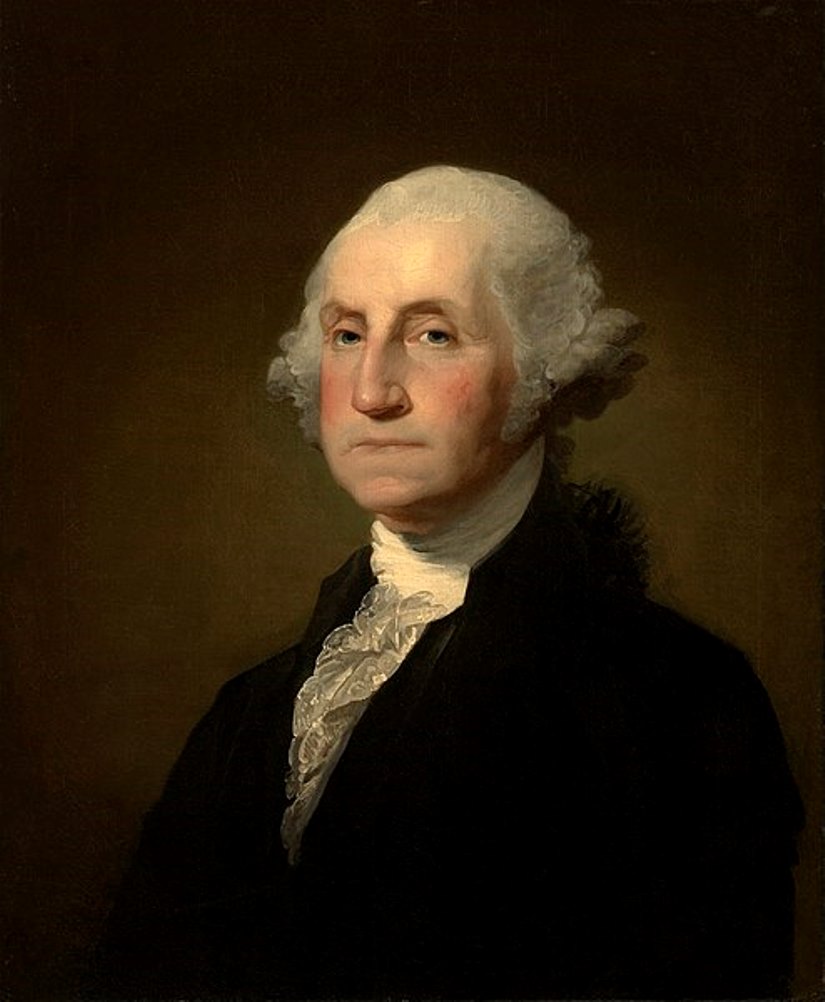
George Washington is the first popularly elected president of the United States of America and one of the founding fathers of the United States.
Born into a noble family in colonial Virginia in February 1732, George Washington served as a Virginian officer with British troops during the French-Indian War (1754-1763) from 1754-1758. This was a territorial war fought largely between the colonies of Britain and France that escalated into a worldwide conflict between the two countries. J. Washington was at the center of the conflicts in the disputed Ohio River Valley area.
In June 1775, he was elected commander-in-chief of the Continental forces in the war already for independence from Great Britain. He commanded American troops throughout the war, becoming famous for his perseverance and bravery.
In 1787, J. Washington represented the state of Virginia as a delegate to the Constitutional Convention. This convention created the Constitution of the United States. In 1789, the Electoral College unanimously elected George Washington president, and in 1792 he was re-elected for a second term. Thus George Washington was in office as President of the United States from April 30, 1789 to March 4, 1797.
As head of state, he helped to strengthen the Union, implement the principles of the Constitution and build the capital of the United States. He was engaged in the formation of the central authorities and system of government, created precedents for the institution of presidents, encouraged the development of the economy, maintained friendly relations with Congress. In foreign policy Washington avoided interference in the affairs of European states.
After leaving the post of president, George Washington lived in Mount Vernon Manor.





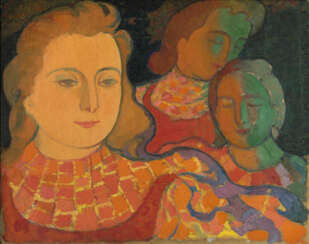

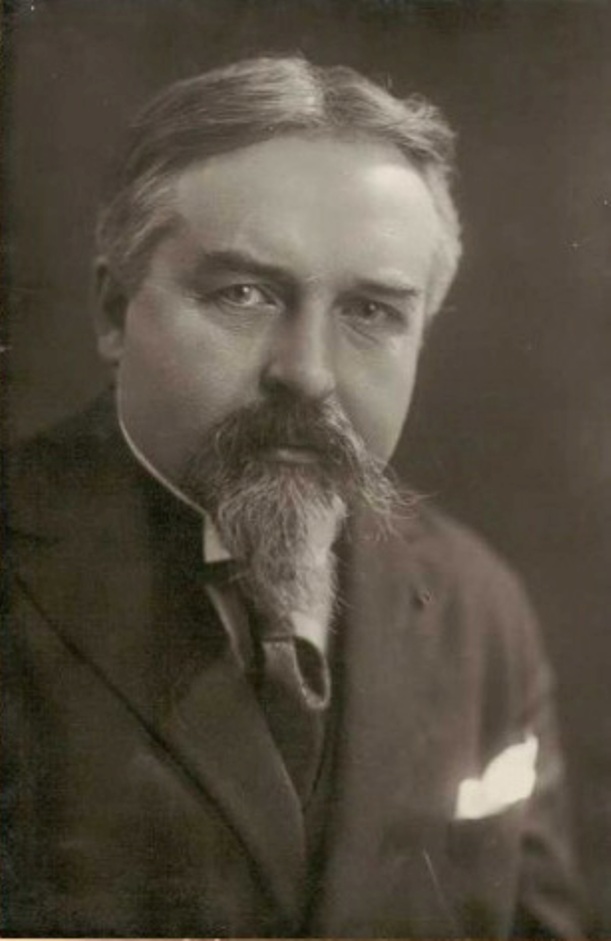
Maurice Denis, a French painter and writer, was an influential figure in the transition from impressionism to modern art. Born on November 25, 1870, in Granville, France, Denis's artistic journey began at the Académie Julian in Paris. Here, he met future collaborators like Paul Sérusier and Pierre Bonnard, with whom he later formed the Nabis group, a collective deriving its name from the Hebrew word "Nabi," meaning "Prophet".
Denis's style evolved from neoimpressionism, influenced by artists like Seurat, to a more decorative and colorful approach under the influence of Gauguin. This shift is evident in works like "Taches du soleil sur la terrace" (1890). He famously stated, "Art is no longer a visual sensation... it is a creation of our spirit," highlighting his belief in art as an idealistic expression, transcending mere imitation of nature.
Denis was also impacted by Japanese art, which influenced his compositions and styles, contributing to his unique and recognizable approach. His philosophy on art, encapsulated in his 1890 essay published in "Art et Critique," emphasized the importance of color and form in creating emotional depth, a notion that laid the groundwork for modernism. He argued that a painting's essence lies in its colors and composition, rather than its subject matter.
Throughout his career, Denis's work evolved towards a more classical approach. His involvement with the Ateliers d'Art Sacré, founded in 1919, demonstrated his interest in religious art and decoration. His notable works include "The Legend of Saint Hubert" (1897) and "The History of Music" for the Théâtre des Champs Elysées (1912-1913).
Tragically, Maurice Denis's life ended on November 13, 1943, when he was struck by a truck during the German occupation of Paris. However, his legacy endures through his contributions to modern art and symbolism, his influence on fellow artists, and his works displayed in various museums and galleries.
For collectors and art experts, Denis's work offers a unique glimpse into the evolution of modern art. His blend of symbolism, color, and form marks a significant shift in art history. To stay updated on new sales and auction events related to Maurice Denis's work, sign up for our newsletter. This subscription will keep you informed about the latest developments in the world of this remarkable artist.